Key Takeaways:
- What is a Future Purchase Option in disability insurance?
Future Purchase Options allow physicians to increase disability insurance coverage later as income grows without having to re-qualify medically. - What is a Future Increase Option or FIO rider?
An FIO allows a physician to purchase additional disability insurance in the future using financial documentation without new medical underwriting. - What is a Benefit Increase Rider or BIR?
A BIR also allows coverage to increase without medical underwriting, but increases are typically reviewed every three years depending on the contract. - What is the main difference between an FIO and BIR?
FIO opportunities are typically available annually around the policy anniversary, while a BIR commonly operates on a three-year schedule with certain exceptions. - Why are future increase options important for physicians?
They help protect future insurability by allowing physicians to increase benefits as income grows without having their health reevaluated.
What is the difference between a Future Increase Option (FIO) and a Benefit Increase Rider (BIR) in physician disability insurance?
Both are types of Future Purchase Options designed to let physicians increase disability insurance coverage as their income grows without going through medical underwriting again.
However, FIO and BIR riders work differently, making it important for residents, fellows, and early-career attending physicians to understand how each option can affect their future coverage.
What Is a Future Increase Option in Disability Insurance?
A Future Increase Option (FIO) rider allows physicians to purchase additional disability insurance in the future based on financial eligibility.
If income increases enough to create a coverage gap, the physician can provide financial documentation and potentially increase the monthly benefit without a new medical exam, labs, or medical underwriting review.
FIO requests are typically made around the policy anniversary and are generally limited to one increase request per year, although exceptions may apply.
Why Is an FIO Important for Physician Disability Insurance?
The primary benefit of an FIO rider is protecting future insurability.
Physicians often purchase disability insurance during residency or fellowship when their income is substantially lower than their future attending income.
An FIO provides a way for disability insurance coverage to grow alongside income without requiring the physician to re-qualify medically.
Certain career events may also create opportunities for an earlier increase, including a substantial income increase, graduating from residency or fellowship, or losing employer group disability insurance.
What Is a Benefit Increase Rider?
A Benefit Increase Rider (BIR) works toward the same goal as an FIO but is structured differently.
Depending on the contract, physicians typically have an opportunity to increase disability insurance benefits every three years.
Financial documentation may be required, and increases are subject to current issue and participation limits.
There may also be specific minimum and maximum increase requirements necessary to keep the rider active.
A significant feature of the BIR is that it is commonly included at no additional cost on many disability insurance policies issued to physicians early in their careers.

Can You Lose a Benefit Increase Rider?
Potentially. Physicians generally need to check in during the required policy anniversary window and submit the necessary documentation.
Failing to complete this process can result in forfeiting the free increase feature.
This makes regular disability insurance policy reviews and anniversary reminders particularly important.
Why Do Many Physicians Choose a BIR?
The episode explains that many residents, fellows, and early attendings currently use a Benefit Increase Rider rather than purchasing an FIO.
One reason is cost: the BIR may already be included in the physician disability insurance policy at no additional charge.
Employer disability insurance is another consideration.
Hospital and health system group disability benefits can limit how much additional private disability insurance a physician qualifies to purchase.
Because of these participation limits, some early-career physicians may not immediately qualify for large private coverage increases.
How Do Physicians Decide Between an FIO and BIR?
Choosing between an FIO vs. BIR depends on factors such as career stage, current income, employer disability insurance, anticipated income growth, and long-term financial planning.
Physicians who do not expect income to increase rapidly and are not production-based may find the Benefit Increase Rider sufficient.
Physicians in high-production specialties or private practice settings may want to consider an FIO because of the potential for faster income growth.
From Amber’s Desk
Future Purchase Options are an important component of physician disability insurance because a physician’s income can change substantially throughout a career.
Both the Future Increase Option (FIO) and Benefit Increase Rider (BIR) can allow disability insurance coverage to grow without new medical underwriting.
Understanding the differences between FIO and BIR can help residents, fellows, and attending physicians build disability insurance coverage that evolves alongside their income and career.
You don’t need to make a decision today, but you do need to understand your options.
Clarity creates confidence.
To take the next step and build a strategy that supports your career and financial future, download the FREE Medical Professionals Blueprint here.
About Amber Stitt
Amber Stitt is a nationally recognized Disability Insurance specialist with over 15 years of experience helping physicians and high-income professionals protect their income and financial stability.
As co-owner of MD Disability Quotes with top Disability Expert, Scott Nelson-Archer, and founder of Stitt Strategies, Amber works with physicians nationwide to design income protection strategies that are personal, portable, and aligned with the realities of a specialized medical career.
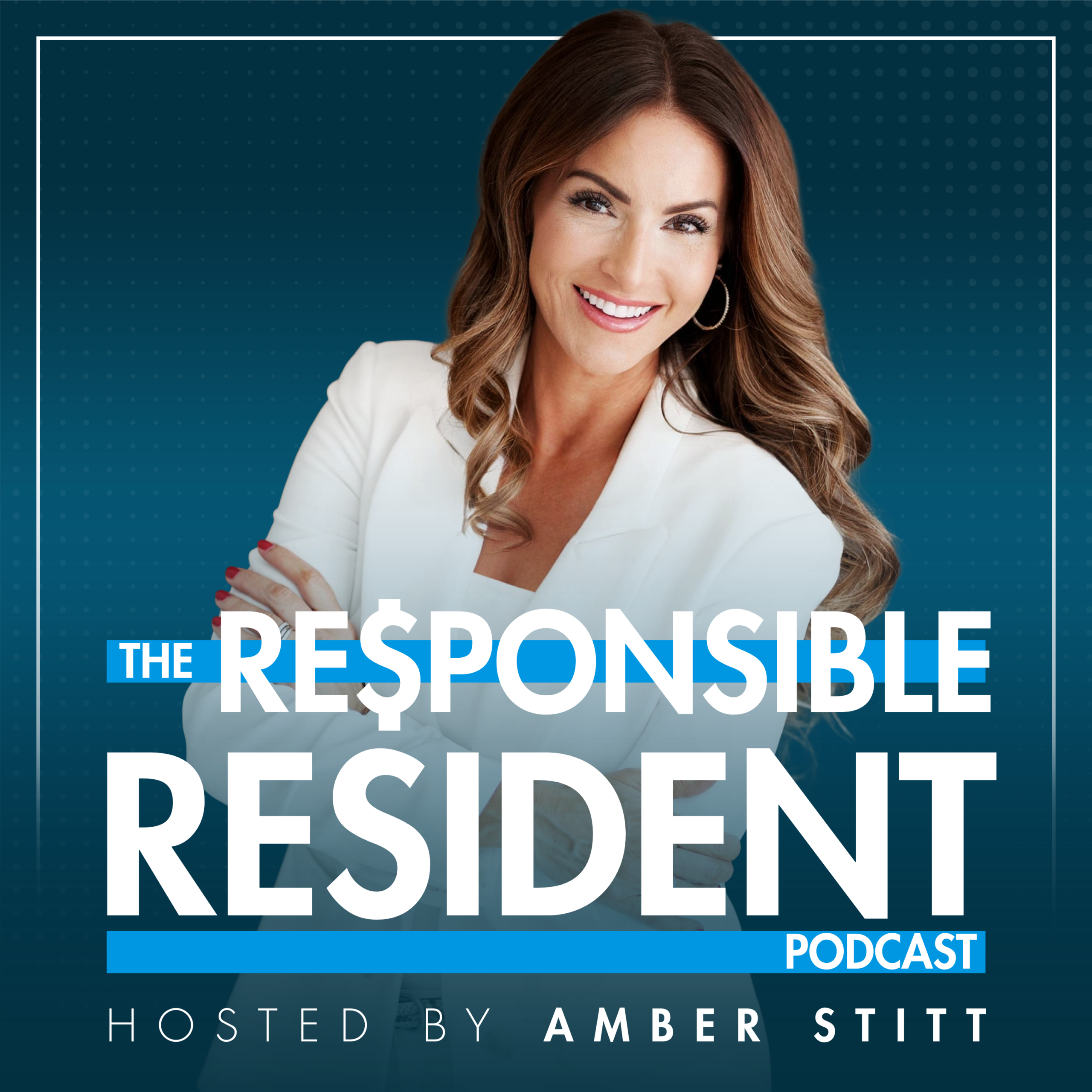
She is also the host of The Responsible Resident, an education-first podcast focused on helping medical trainees understand how financial decisions, especially around income protection and underwriting, can shape their long-term options.
Her work centers on helping physicians make informed decisions before limitations appear, so they can protect their income, preserve flexibility, and move forward with confidence.
If you would like to schedule a disability insurance strategy session, click here.
If you would like to request physician disability insurance quotes, click here.
You can email us: info@amberstitt.com
Call 480-707-2771 (9 AM-5 PM MST)
Text “Insurance” to 480-707-2771 at your convenience.