Key Takeaways:
- What is disability insurance for physicians?
Disability insurance is income protection designed to replace a portion of your earnings if an illness or injury prevents you from working. - What is True Own-Occupation disability insurance?
True Own-Occupation coverage can consider a physician totally disabled when an illness or injury prevents them from performing the material and substantial duties of their medical specialty or subspecialty. - Who needs disability insurance?
Anyone who depends on earned income to fund living expenses, student loans, family needs, savings, investments, or other financial goals should consider how that income would be protected. - Is employer disability insurance enough for physicians?
Employer group disability insurance can provide a starting point, but group plans may have income limits, offsets, modified disability definitions, and coverage that stays with the employer. - Why should physicians consider disability insurance early?
Eligibility and pricing can be influenced by age, gender, state of residence, medical specialty, and health history, making it valuable to understand your options while still in training.
What Is Disability Insurance for Physicians?
Disability insurance is often described as income protection or paycheck protection. You pay a premium to an insurance company, and if you experience a qualifying illness or injury that prevents you from working, the policy can provide a monthly benefit.
For physicians, this protection can be particularly important because a medical career may represent decades of future earnings. That income supports student loan repayment, retirement savings, investments, homeownership, and family financial goals.
Disability also does not have to result from a catastrophic accident. Long-term health conditions such as cancer, back injuries, heart disease, autoimmune disorders, and neurological conditions can affect someone’s ability to continue working in their profession.
What Is Own-Occupation Disability Insurance for Physicians?
Own-Occupation disability insurance for physicians is designed to protect one of the most valuable financial assets a doctor has: the ability to earn an income in their medical specialty.
Disability insurance replaces a portion of your income if an illness or injury prevents you from working, helping cover expenses such as your mortgage, student loans, household costs, medical bills, and long-term financial obligations.
For physicians with highly specialized skills, understanding the difference between employer group disability insurance and private True Own-Occupation disability insurance early in their careers can help preserve flexibility and financial stability if their health unexpectedly changes.

What Is True Own-Occupation Disability Insurance?
A True Own-Occupation disability insurance policy focuses on your ability to perform the material and substantial duties of the occupation you were engaged in when the disability occurred.
For a physician, that can mean protecting the duties of a particular medical specialty or subspecialty.
This distinction matters because certain private physician disability insurance policies may allow a physician who can no longer perform their specialty to receive disability benefits while earning income in another occupation. This can create additional career flexibility during an illness or injury.
How Does Employer Disability Insurance Differ From Private Disability Insurance?
Many residents, fellows, and attending physicians receive group long-term disability insurance through their employer. These plans commonly replace a percentage of base salary and may not fully account for bonuses, production-based compensation, or other earnings.
Group disability insurance is also owned by the employer and stays with that group.
Private disability insurance is individually owned and portable. If you change hospitals, enter private practice, move, or otherwise change employers, the individual policy can remain with you.
Depending on how premiums are paid, private disability insurance benefits may also be tax-free. Individual policies may provide additional contractual protections, including rate locks and True Own-Occupation definitions.
Why Should Physicians Buy Disability Insurance Early?
Physician disability insurance options can be influenced by your age, gender, state of residence, medical specialty, and health history. Understanding your options during residency or fellowship can therefore be valuable before those factors change.
The goal is not simply to purchase insurance. It is to understand how your income is protected and make informed decisions while you have flexibility.
From Amber’s Desk
Your ability to practice medicine and earn an income may be one of your largest financial assets. Own-Occupation disability insurance for physicians is designed to protect that earning power when illness or injury interferes with your ability to perform your medical specialty.
Employer disability insurance can provide a foundation, while private physician disability insurance may offer additional portability, contractual control, and specialty-specific protection. Understanding these differences early can help you make informed decisions about protecting your income, career, and long-term financial plans.
You don’t need to make a decision today, but you do need to understand your options.
Clarity creates confidence.
To take the next step and build a strategy that supports your career and financial future, download the FREE Medical Professionals Blueprint here.
About Amber Stitt
Amber Stitt is a nationally recognized Disability Insurance specialist with over 15 years of experience helping physicians and high-income professionals protect their income and financial stability.
As co-owner of MD Disability Quotes with top Disability Expert, Scott Nelson-Archer, and founder of Stitt Strategies, Amber works with physicians nationwide to design income protection strategies that are personal, portable, and aligned with the realities of a specialized medical career.
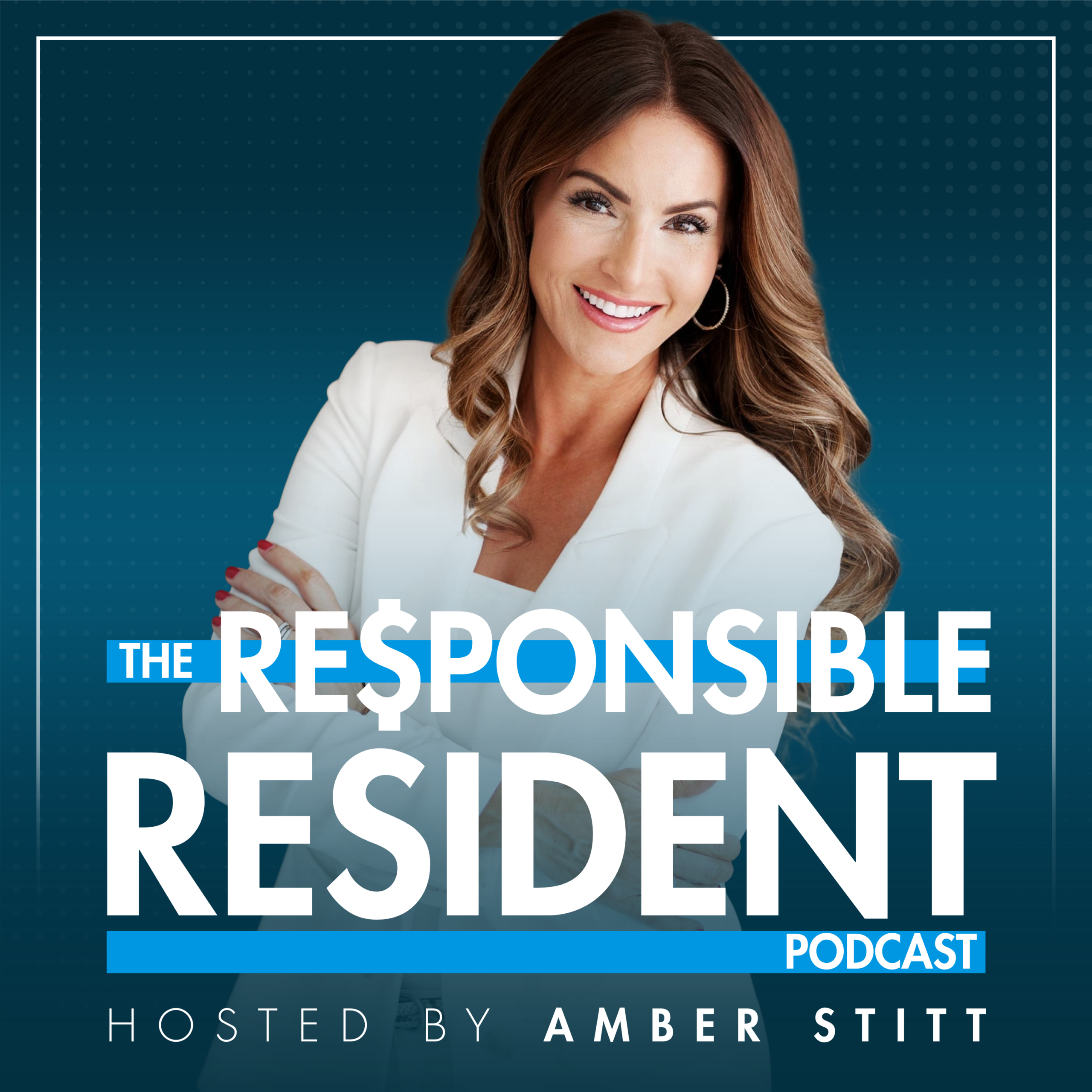
She is also the host of The Responsible Resident, an education-first podcast focused on helping medical trainees understand how financial decisions, especially around income protection and underwriting, can shape their long-term options.
Her work centers on helping physicians make informed decisions before limitations appear, so they can protect their income, preserve flexibility, and move forward with confidence.
If you would like to schedule a disability insurance strategy session, click here.
If you would like to request physician disability insurance quotes, click here.
You can email us: info@amberstitt.com
Call 480-707-2771 (9 AM-5 PM MST)
Text “Insurance” to 480-707-2771 at your convenience.